Home Staging Matters
I walked into a house today that had been sitting for six weeks. Same floor plan, same finishes, same bones it had on day one. The only thing that changed was the furniture. And it worked — instantly, obviously — in a way that made me wish the decision had come sooner.
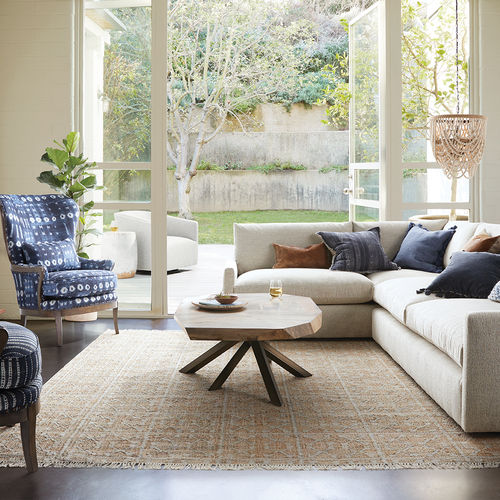
Here's what I mean by "worked": there were anchors to land on. A chair angled just so in a bay window. A runner that pulled your eye down a hallway toward the light at the end of it. A bed positioned to make the primary suite read as a retreat rather than a room with a mattress in it. None of it was complicated. But without it, a buyer walking through has to do the work themselves — has to imagine where their own life would go, has to squint at an empty corner and decide whether it's a reading nook or dead space. Most people don't do that work. They just feel unsettled and move on to the next listing.
The market that made staging optional is gone
For a few years, none of this mattered much. During the pandemic run-up, homes across Cary, Apex, and Holly Springs went under contract in days, sometimes with buyers waving inspections and bidding well over ask, sight unseen in some cases. Staging was a nice-to-have in that environment. The furniture wasn't selling the house — scarcity was.
That market isn't the one we're operating in now. Wake County inventory has climbed sharply year over year, giving buyers a selection they simply didn't have in 2021. Homes are sitting longer, too — the median days on market countywide has risen meaningfully compared to a year ago. Buyers who once wrote offers from the driveway are now touring five or six homes before they commit to one.
That shift changes what a listing has to do. When there's only one house on the market in a neighborhood, it doesn't have to make a case for itself. When there are several, it does. Sellers and agents in this market aren't just presenting a home anymore — they're building an argument for why this is the one, out of every comparable option a buyer has open in another tab.
A floor plan is felt, not read
This is the part that's easy to underestimate. You can put the square footage and the room count in the listing, and a buyer can study it before they ever set foot in the house. But a floor plan isn't really understood until it's felt — until someone stands in it and senses how one room opens into the next, how the light moves through the day, whether the flow feels natural or forced.
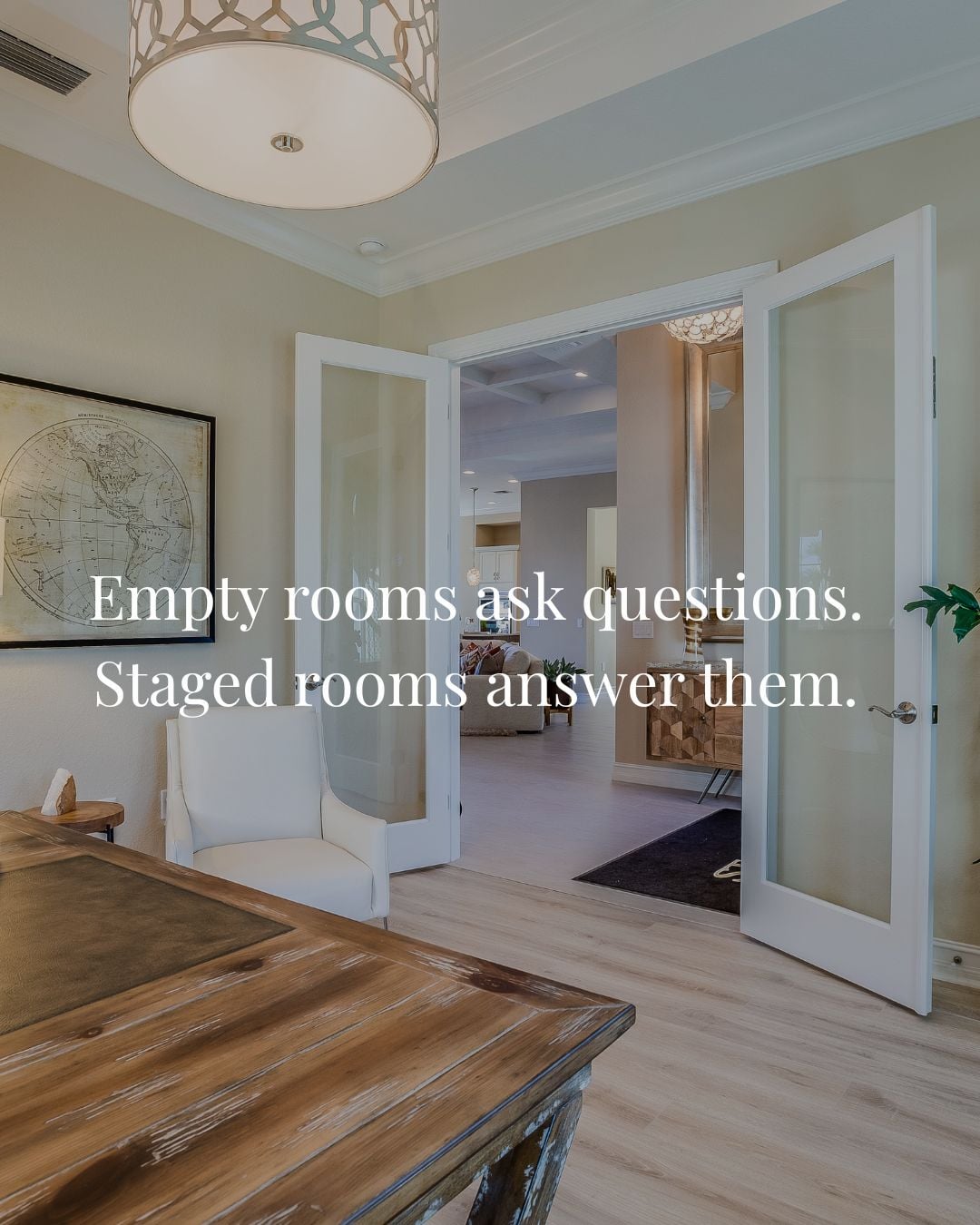
Furniture is what makes that flow legible. It's the difference between a floor plan on paper and a floor plan a person can actually imagine living inside. An empty room asks the buyer to supply the imagination. A staged room hands it to them. In a market where buyers are comparison-shopping across multiple listings in Cary, Apex, and Holly Springs in the same afternoon, that's not a small advantage — it's often the reason one house gets remembered and the other doesn't.
Why "sooner" matters
The house I saw today had been on the market long enough that the absence of anchors had already cost it something — not in condition, but in momentum. The buyers who came through in week one won't come back for a second look just because the staging changed in week six. That first impression is spent. What staging sooner would have done is let the house make its best case the first time, to the audience that was actually paying attention — before it started competing against its own listing history.
There's a version of this advice that sounds like pure salesmanship — stage it because it photographs better, stage it because buyers are emotional. Both are true, but they're not really the point. The deeper reason is that staging removes a barrier between the house and the person trying to understand it. It's not decoration. It's translation.
The practical case
If you're deciding whether to stage before you list, a few things worth weighing:
- Photography quality compounds. A staged room photographs with depth and scale that an empty one can't fake, and those photos are doing most of the work before anyone ever schedules a showing.
- Buyers spend more time when they can picture themselves. A room with anchors gives them somewhere to stand, mentally, while they decide if this is their home.
- The first two weeks matter more than the rest combined. Most serious interest arrives early. Staging before that window opens — rather than after it's already passed — is where the real return is, especially now that Wake County buyers have the inventory to keep looking.
The number that changes minds
I understand the hesitation. Staging is a real expense at a moment when a seller is already writing checks for repairs, closing costs, and moving logistics. It can feel like one more line item to cut.
But the data doesn't support treating it as optional. The National Association of Realtors' own research consistently shows that the large majority of buyer's agents — well over 80 percent in recent years — say staging makes it noticeably easier for a buyer to picture themselves living in a home. That's not a soft, feel-good statistic. Visualization is the thing that turns a showing into an offer.
And it shows up in the numbers that matter to a seller's bottom line. NAR data indicates that roughly a quarter of agents see offer prices rise 1 to 5 percent on staged homes, with nearly another fifth reporting increases of 6 to 10 percent. On a home in the high six figures — not an unusual price point in Cary or Apex — that's not a marginal bump. It's often several times the cost of the staging itself.
The more persuasive figure, for a skeptical seller, may be the downside case rather than the upside one: NAR reporting suggests homes that go unstaged tend to face price reductions many times larger than what staging would have cost in the first place. In a Wake County market with rising inventory and buyers who no longer feel pressure to decide fast, that downside case is more relevant than it was two or three years ago. Staging isn't really competing against "doing nothing costs nothing." It's competing against the price cut that shows up eight weeks in, once the market has already decided the house is stale.
None of this is a substitute for a good floor plan or good light. It's what lets both of those things actually be seen — and in a Triangle market where buyers finally have the luxury of choice again, that's not a luxury for the seller. It's the argument for why this house, and not the one three doors down, is the one.
Check out this article next