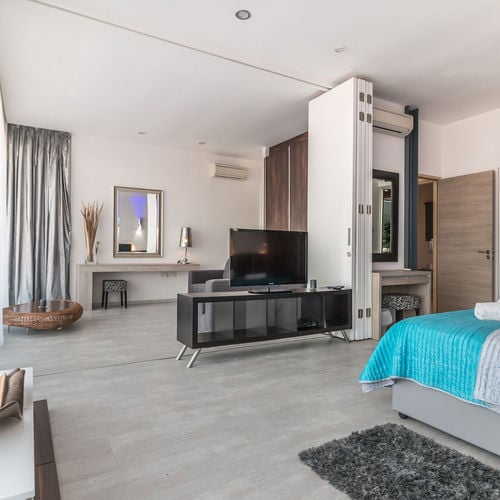
What stays, what goes, and what gets added - the seller's guide to showing ready.
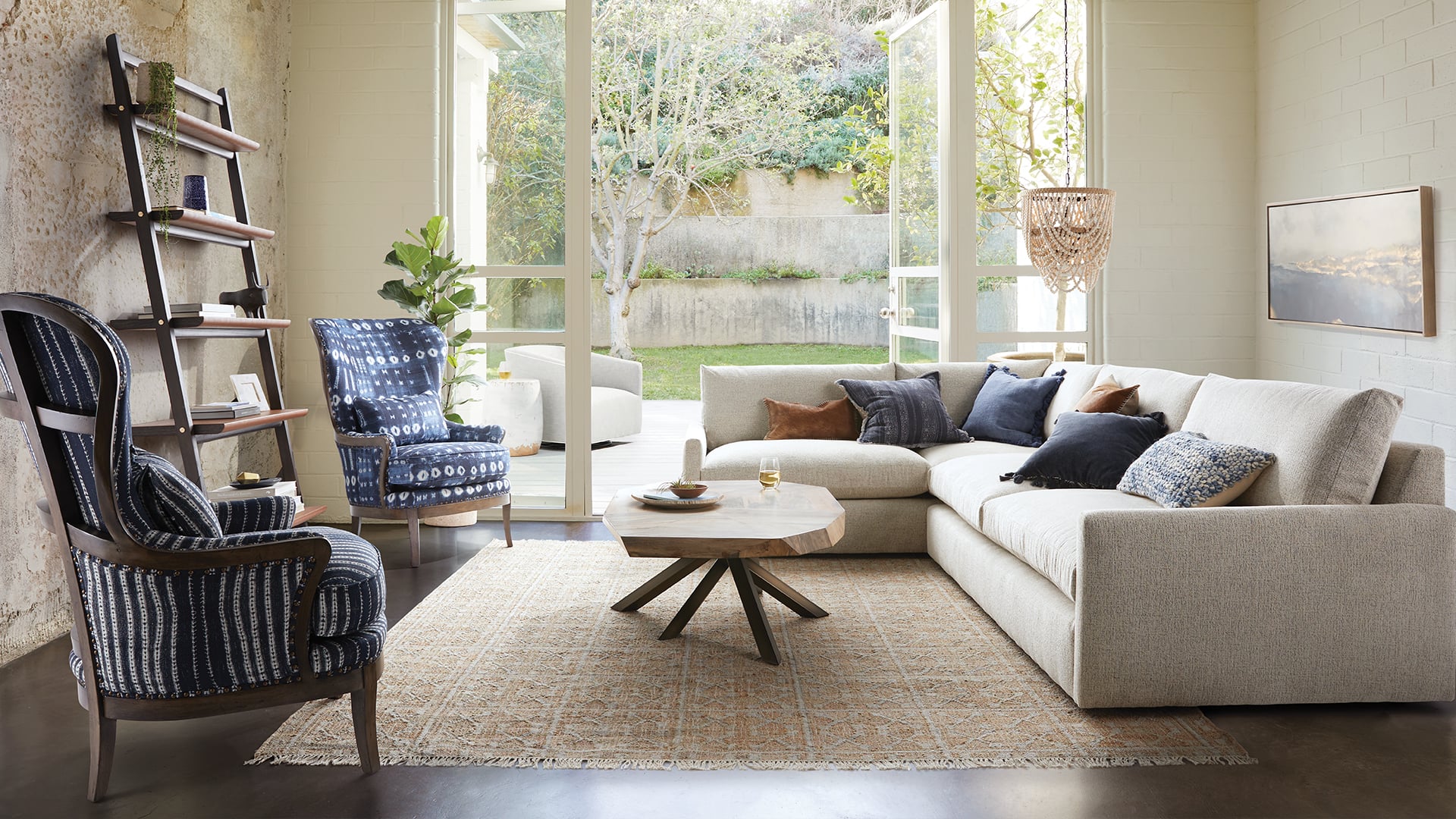
There’s a moment every buyer walks through a front door and either feels it or doesn’t. That feeling — the one that makes them slow down, look twice, start mentally placing their furniture — doesn’t happen by accident. It happens because someone made deliberate choices about what stays, what goes, and what gets added.
Those choices are what separates a home that lingers on the market from one that generates offers.
Here’s how to make them.
Declutter: Less Is Not Just More. It’s Everything.
Buyers are not looking at your belongings. They’re looking for space — physical and psychological. Every surface crowded with objects, every closet jammed to capacity, every counter buried under the business of daily life quietly signals one thing: not enough room.
Even in a generous home.
The edit is not about minimalism as an aesthetic. It’s about giving the buyer’s eye somewhere to land and somewhere to travel. A room with breathing room feels larger, calmer, and more valuable than the same room packed with perfectly nice things.
Start here:
Clear countertops completely. Kitchen, bathroom, every surface. Leave only one or two intentional objects — a cutting board, a plant, a beautiful soap dispenser. Nothing else.
Empty closets by at least a third. Buyers open every door. A closet with room to spare reads as abundant storage. A stuffed closet reads as a problem.
Remove furniture that interrupts flow. That extra chair, the oversized sectional, the desk wedged into the corner — if it makes the room harder to move through, it’s making the room harder to sell.
Box what you can live without for sixty to ninety days. You’re not throwing it away. You’re staging your next chapter.
Depersonalize: Let Them See Themselves
This is the step that feels personal because it is. Your family photos, your children’s artwork, your collection of whatever you love — these things make your house yours. That’s exactly the problem.
Buyers cannot see themselves in a home that belongs to someone else. The family portrait above the fireplace doesn’t warm the room — it reminds them they’re guests in your space. The refrigerator covered in school photos is charming to you and invisible noise to them.
Depersonalizing is not erasing your life. It’s clearing the canvas so someone else can imagine theirs.
Remove:
Family photographs — all of them, or nearly all. One or two carefully placed, impersonal images are fine. A gallery wall of faces is not.
Personalized decor — monograms, name signs, anything that says specifically who lives here.
Religious and political items. These are not neutral to everyone, and neutrality is what you’re after.
Children’s artwork from walls and refrigerators. Tuck it away with love and retrieve it at your new address.
Hyper-personal collections. The sports memorabilia, the figurines, the niche hobby equipment. Box it. It’s filtering your buyers unnecessarily.
What remains should be quiet, beautiful, and belonging to no one in particular.
Accessorize: Now Put It Back. Intentionally.
Here’s where sellers lose the thread. They declutter and depersonalize beautifully and then leave the house feeling stripped and cold. Empty is not the goal. Curated is the goal.
The difference between a vacant house and a staged one is warmth — the sense that life is possible here, that this is a place where someone would want to live. You create that warmth deliberately, with a light hand and a good eye.
The principles:
Texture over quantity. A linen throw, a ceramic vase, a wooden bowl. Materials that photograph well and feel considered. You need fewer objects than you think if they’re the right ones.
Fresh botanicals. A single stem in a clean vase. A potted plant with healthy leaves. Something alive in the kitchen. Nothing wilted, nothing artificial. Plants signal care and light.
Coherent color. Your accessories should speak to each other across rooms. Three colors maximum — usually a neutral, a warm tone, and one quiet accent. Anything that doesn’t belong to that conversation gets put away.
Layers in the bedroom. This is where buyers slow down and linger. White or neutral bedding. Two to four pillows, arranged simply. A throw folded at the foot. A book and a single object on the nightstand. That’s it. That’s a hotel. Hotels sell the fantasy of rest and so should your bedroom.
Scent and light. These are not accessories in the traditional sense but they are the finishing layer. Open blinds fully. Replace any dim or yellowed bulbs with bright daylight LED. Before a showing, open windows if weather permits. Avoid heavy candles or sprays — a clean, neutral scent is more persuasive than any fragrance you choose.
The Through Line
Declutter removes the noise. Depersonalize clears the canvas. Accessorize completes the picture.
Done in sequence, with intention, these three steps don’t just prepare a home for the market — they transform how a buyer experiences it from the moment they walk through the door.
That experience is what sells.
Check out this article next