Why People Are Relocating to Raleigh
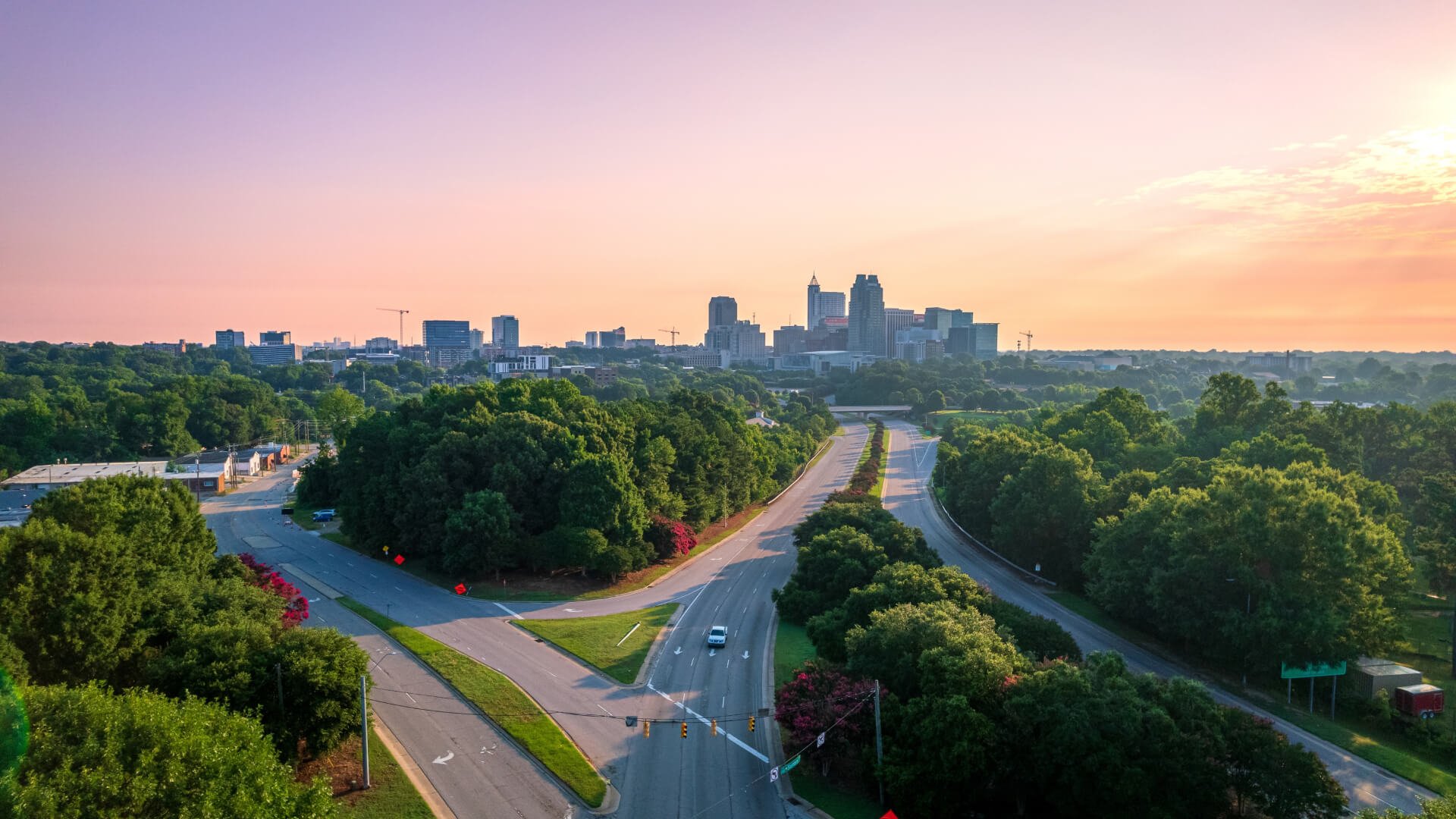
People rarely move to a city for one reason. They move because three or four things align — a job, a school, a cost of living that finally makes sense, a pace of life that fits how they actually want to spend a Tuesday evening. Raleigh has been quietly stacking those reasons for over a decade. What's changed recently is how many people are noticing at once.
The job market is the anchor, not the headline
Research Triangle Park sits at the center of most relocation stories here, and for good reason. It's one of the largest research parks in the country, and it isn't dependent on a single industry the way some boom cities are. Technology, biotech, life sciences, healthcare, and higher education all have real weight here — which means a downturn in one sector doesn't take the whole local economy with it.
That diversification shows up in recent momentum, too. Life sciences has been a particular growth story lately, with major biologics and pharmaceutical investment landing in the Triangle's outer suburbs. Add in longtime anchors — IBM, Cisco, SAS, Duke Energy — and a startup ecosystem that keeps producing new employers, and you get a labor market that's resilient in a way a lot of transplants, especially from higher-cost coastal cities, are relieved to find.
The cost of living math actually works
Raleigh isn't cheap anymore — housing costs have risen, and anyone comparing it to what it was ten years ago will notice. But the comparison that matters for most relocating buyers isn't Raleigh-then versus Raleigh-now. It's Raleigh versus wherever they're coming from.
For someone leaving San Francisco, Seattle, Boston, or the New York metro, the math is usually favorable even after accounting for Raleigh's own cost increases. Housing, in particular, tends to be the biggest gap — a monthly payment that felt impossible in a coastal market often becomes workable here, sometimes dramatically so. That gap is a large part of why the region keeps pulling equity-rich move-up buyers as well as first-time buyers priced out elsewhere.
Schools carry real weight here
For families, this is often the deciding factor once the job offer is in hand. Wake County Public Schools is one of the larger, more resourced districts in the country, with graduation rates well above state and national averages, along with magnet programs and STEM-focused options that give families real choice rather than a single assigned path.
Higher education adds another layer that's easy to undervalue until you're living near it. NC State anchors the local scene, and Duke and UNC-Chapel Hill are close enough to be part of daily life — research opportunities, sporting events, medical care, continuing education — rather than a distant landmark.
The lifestyle case is quieter, but it's real
Raleigh calls itself the City of Oaks for a reason. Greenway trails run for miles through the metro, connecting neighborhoods to parks like Umstead State Park and Lake Johnson without requiring a highway drive to reach them. Winters are mild by most transplants' standards — cold enough to feel like a season, rarely cold enough to disrupt a week.
None of this is dramatic. That's the point. People who move here for the outdoor access aren't chasing a spectacular view; they're buying back the ten minutes it used to take just to leave their old neighborhood and find a trailhead.
The suburbs are where the decision actually gets made
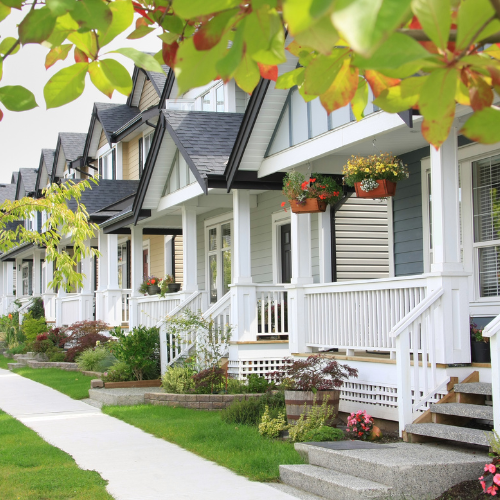
"Moving to Raleigh" rarely means moving into Raleigh proper for the families and professionals I work with most. It means choosing among Cary, Apex, Holly Springs, and the surrounding towns that give you Triangle job access with a different pace, price point, and school assignment than the city core.
Cary offers an established, walkable feel in pockets and strong long-term value. Apex and Holly Springs have absorbed much of the region's newest growth, with new construction, expanding retail, and — increasingly — their own job centers rather than serving purely as bedroom communities. Each of these towns solves a slightly different version of the same relocation question, which is why it's worth understanding the differences before committing to one over the others.
What this means if you're actually relocating
None of these reasons work in isolation. A strong job market doesn't matter if the school district is wrong for your kids. A great cost-of-living comparison doesn't matter if the commute erases the savings. The people who relocate here successfully are usually the ones who treat it as one decision with several moving parts, not four separate boxes to check.
That's also where the right local guidance earns its keep — not in convincing someone to move here, but in helping them land in the right part of the Triangle for the life they're actually trying to build, not just the one they're leaving behind.
Check out this article next