
What Home Buyers and Sellers Must Know for the Spring 2026 Market in the Triangle
As we head into the Spring 2026 real estate season, the market in Raleigh and its surrounding suburbs — including Cary, Apex, Wake Forest, Holly Springs, and Fuquay-Varina — feels very different than it did just a few years ago.
This isn’t a crash.
It isn’t a frenzy.
It’s something far more strategic: a balanced, intelligent market.
Here’s what has changed — and what buyers and sellers need to understand before the spring momentum builds.
The “Automatic Multiple Offers” Era Has Cooled
From 2021 through early 2023, listings often received multiple offers within days — frequently well above asking price and with minimal negotiation.
Spring 2026 looks different.
Well-priced homes still generate strong activity, but the assumption of instant bidding wars is largely gone. Buyers are thoughtful. They compare. They negotiate.
What this means for sellers:
Pricing aggressively “just to see what happens” is risky. The first 7–10 days on market matter more than ever. Homes that miss the mark early often require price reductions and lose leverage.
What this means for buyers:
There is room to negotiate again — particularly on homes that have been on the market for 20+ days. Due diligence remains important, but buyers no longer feel forced to waive every protection.
Pricing Discipline Is Everything
Spring 2026 is extremely price sensitive.
Homes priced correctly:
Generate strong early interest
Sell within 1–2 weeks
Homes priced even 3–5% too high:
Sit
Require reductions
Invite tougher negotiations
Today’s buyers are data-driven and patient. Sellers are rewarded for accuracy — not optimism.
Concessions Are Back on the Table
One of the clearest shifts this year is the return of seller concessions.
We’re seeing:
2–3% seller-paid closing costs
Interest rate buy-downs
Repair credits
Home warranty incentives
These were nearly nonexistent during the peak frenzy years.
Buyers should ask. Sellers should plan.
Negotiation is no longer a red flag — it’s normal.
Buyer Representation Conversations Are More Transparent
Recent nationwide changes in how agent compensation is communicated have made agency discussions more upfront. The North Carolina Real Estate Commission has emphasized clarity and documentation in how buyer representation is handled.
For buyers, this means understanding how your agent is compensated before you tour homes.
For sellers, it means compensation conversations may be more explicit in listing strategy discussions.
The process isn’t complicated — it’s simply more transparent.
Short-Term Rental Rules Are Stricter in Raleigh
Within Raleigh city limits, short-term rental (STR) regulations are tighter than in previous years. Licensing requirements, zoning compliance, and tax responsibilities are actively enforced.
Investors must verify zoning before purchasing.
Sellers should avoid advertising “Airbnb potential” without confirmation.
Suburban municipalities and HOAs vary widely, so due diligence matters.
Inventory Has Improved — But Selectively
Inventory levels are higher than during the height of the seller’s market, but not uniformly across price points.
Move-in-ready homes under $600,000 in Cary and Apex remain competitive.
Homes needing cosmetic updates take longer to sell.
Luxury properties above $1 million offer more negotiation flexibility.
Condition now matters significantly more than it did two years ago. Buyers will pay for turnkey — but not for deferred maintenance.
Interest Rate Psychology Has Shifted
While rates remain higher than the historic lows of 2020–2021, buyers have adjusted.
Instead of waiting indefinitely for lower rates, many are moving forward with plans to refinance when appropriate. The result? Fewer casual shoppers and more serious, qualified buyers.
That creates a calmer — but still active — market.
Area-by-Area Snapshot
Raleigh (especially inside the Beltline): Strong demand, but highly price sensitive.
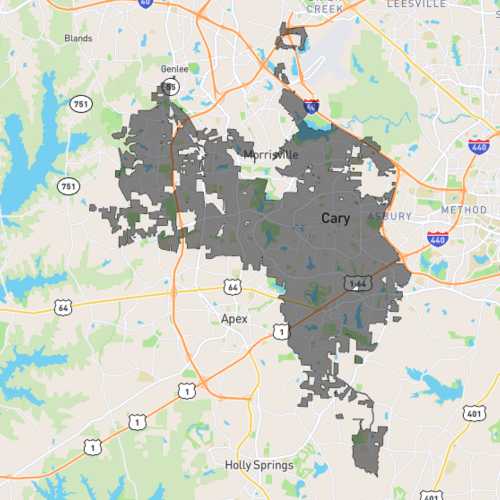
Cary: Stable and competitive, particularly under $800K.
Apex: Tight inventory; well-prepared homes move quickly.
Wake Forest: More balanced conditions and negotiation room.
Holly Springs: Fast-moving if priced correctly.
Fuquay-Varina: Greater buyer leverage compared to other suburbs.
The Bottom Line for Spring 2026
We are no longer in a market dominated by sellers — nor are we in a downturn favoring buyers entirely.
We are in a market that rewards:
Strategic pricing
Professional presentation
Thoughtful negotiation
Realistic expectations
Homes are selling. Buyers are buying. Deals are happening every day.
But success this spring won’t come from assuming yesterday’s rules still apply.
It will come from understanding how the market has matured — and positioning yourself accordingly.
Check out this article next