
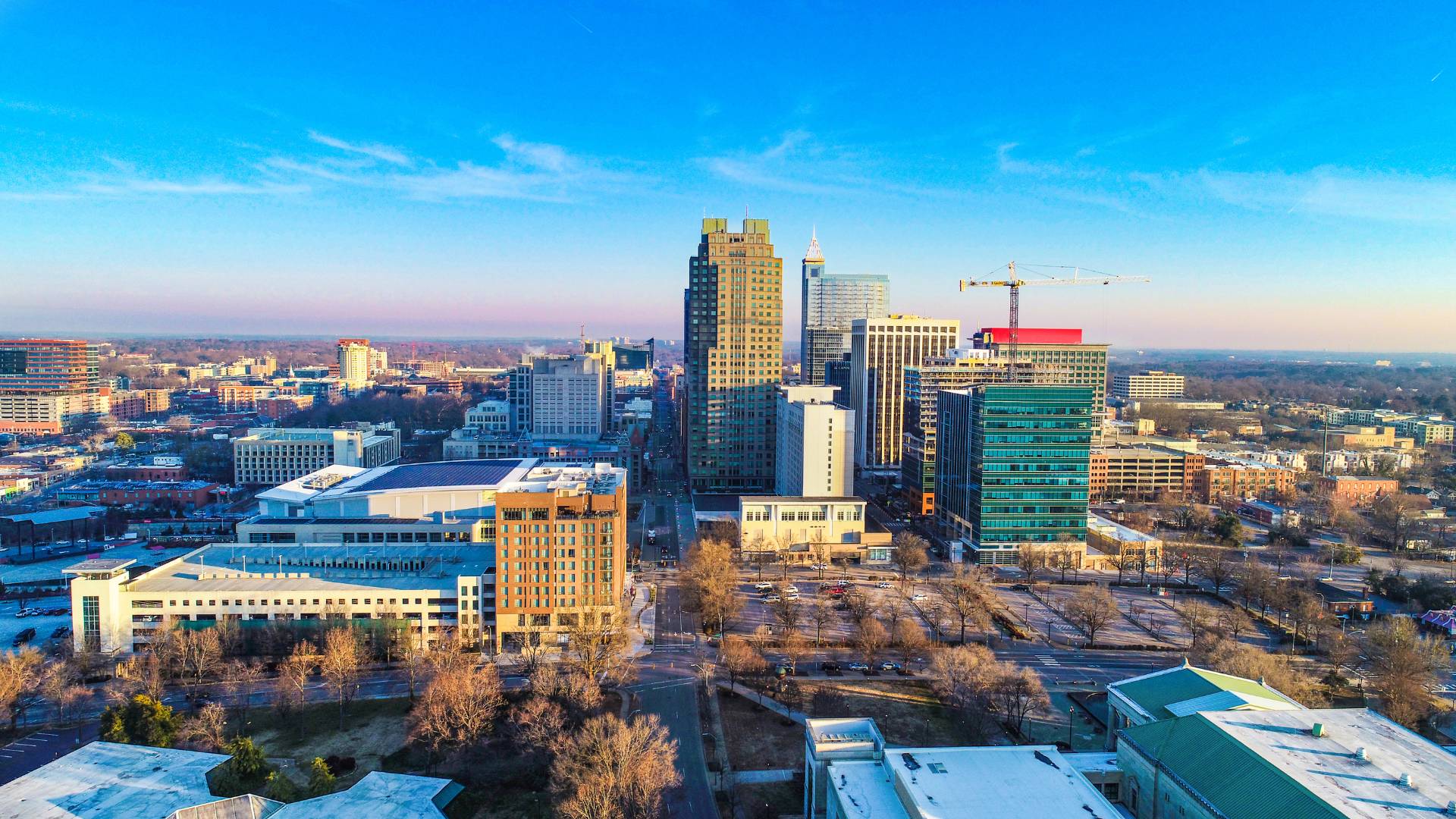
Raleigh’s housing market is booming, and understanding what typical homes cost — and what household income you might need — is key for planning your next move. Here’s a detailed snapshot for 2026, including what makes each suburb unique.
Estimated Household Income for Raleigh Homeownership
As of early 2026, the median home sale price in Raleigh is around $440,000–$445,000. Using standard affordability guidelines — keeping mortgage payments (principal, interest, taxes, and insurance) at about 28% of household income — most households might need an estimated combined income of $95,000–$110,000 to comfortably afford a median-priced home.
Raleigh (Inside the Beltline & Surrounding Areas)
Median Home Price: ~$440,000–$445,000
Estimated Household Income: ~$95,000–$110,000
Local Highlights:
Downtown Raleigh dining and nightlife, North Hills shopping and entertainment district, William B. Umstead State Park trails, the North Carolina Museum of Art, Red Hat Amphitheater concerts, and neighborhood favorites like Five Points and Oakwood.
Raleigh itself offers a mix of historic homes, newer construction, walkable districts, greenway access, and vibrant cultural spaces. Depending on the neighborhood, buyers can find everything from charming bungalows near downtown to newer homes in North Raleigh with convenient access to shopping and major roadways.
Like any growing city, prices vary significantly by neighborhood, lot size, and proximity to amenities — which is why hyper-local guidance matters.
Suburb Snapshot: Median Prices, Household Income, and Local Highlights
Cary
Estimated Household Income: $130,000+
Median Home Price: Slightly above Raleigh’s median
Local Highlights: Bond Park trails, Koko Booth Coffee, downtown Cary shops, Page-Walker Arts & History Center, and seasonal events like Cary’s Food & Wine Festival
Cary combines convenience with green space, cultural events, and local dining — appealing to a wide range of buyers without implying any household type.
Apex
Estimated Household Income: $125,000+
Local Highlights: Apex Peakway trails, Apex Downtown Historic District, Apex PeakFest, Bond Park access, and local breweries like Bond Brothers Beer Company
Apex blends small-town charm with modern amenities and growing cultural events, giving buyers a sense of community and walkable conveniences.
Wake Forest
Estimated Household Income: $110,000–$130,000
Local Highlights: Historic Downtown Wake Forest, E. Carroll Joyner Park, local farmers markets, Wake Forest Baptist Church area events, and Greenway trails
Slightly more affordable than Cary or Apex, Wake Forest offers a mix of history, outdoor recreation, and dining options close to Raleigh.
Holly Springs & Fuquay-Varina
Estimated Household Income: $115,000+
Local Highlights: Holly Springs Cultural Center, Fuquay Mineral Spring Park, local breweries, and community events like the Holly Springs Farmers Market or Fuquay Spring Fest
Both suburbs feature newer developments and modern amenities while staying connected to Raleigh’s job centers.
Garner
Median Home Price: Typically below Raleigh’s median, often in the mid-$300,000s to low-$400,000s (varies by neighborhood and new construction)
Estimated Household Income: ~$85,000–$105,000
Local Highlights:
Lake Benson Park, White Deer Park Nature Center, downtown Garner’s revitalization area, the Garner Performing Arts Center, and convenient access to I-40 and downtown Raleigh.
Garner continues to attract attention for its balance of affordability and convenience. With established neighborhoods, newer developments, and easy commuting access to Raleigh, it offers a range of housing options at price points that are often more accessible than many surrounding suburbs. Buyers appreciate the combination of green space, community events, and proximity to major job centers.
As with any area in Wake County, prices vary depending on lot size, age of home, and proximity to amenities — which is why reviewing hyper-local data matters.
Emerging Areas: Knightdale, Rolesville, Wendell
Estimated Household Income: $100,000–$120,000
Local Highlights: Knightdale Station Park, Wendell Falls community trails, Rolesville Town Hall events, and local dining spots
These fast-growing neighborhoods offer more affordable options with developing infrastructure, parks, and local conveniences, while keeping Raleigh accessible.
💡 Smart Homebuying Tips
These estimates are based on total household income, including all earners.
Use these figures as a guide, not a guarantee — actual mortgage approval depends on credit, debt, and lender requirements.
It’s never too early to study the market, check your credit, and create a plan for homeownership.
Each neighborhood has its own character, amenities, and lifestyle opportunities — knowing these helps you plan smarter and find the right fit.
Closing Thoughts & Next Steps
Every Raleigh-area neighborhood has its own personality, price points, and attractions. Experienced mortgage and real estate advisors are ready to meet you where you are, guide you through rates and financing options, and help you find the community that fits your lifestyle.
If you’re ready to start exploring, give me a call — I can provide the latest home price information, connect you with trusted mortgage and real estate professionals, and help you make informed decisions about your next move.
⚠️ These figures are estimates based on median prices and standard affordability guidelines. Individual mortgage approvals, rates, and terms vary. Consult a licensed mortgage professional for personalized guidance.
Check out this article next